Can You Drive Without a Radiator Cap

Can You Drive Without a Radiator Cap? Avoid These Costly Mistakes!

Yes, it is not recommended to drive without a radiator cap. It helps maintain the proper pressure and prevents overheating. A properly functioning cooling system is crucial for the optimal performance of your vehicle. Among its essential components, the radiator cap plays a significant role. While it may seem like a small and insignificant part,…


Where is the Radiator Drain Plug Located

Discover the Hidden Secret: Where is the Radiator Drain Plug Located?

The radiator drain plug is typically located at the bottom of the radiator. It is easily accessible for draining the coolant. Are you having issues with your radiator or are you planning on flushing the cooling system? If so, you will need to locate the radiator drain plug. This small but vital component is where…

Stainless Steel Radiator Hose Vs Rubber

Stainless Steel Radiator Hose Vs Rubber: Unveiling the Ultimate Showdown

Stainless steel radiator hoses are more durable than rubber hoses, making them a better option for high-performance vehicles or heavy-duty applications. Stainless steel radiator hoses and rubber hoses are two common options for automotive cooling systems. While both serve the same purpose of carrying coolant from the engine to the radiator, they differ in terms…

Can You Use an Automatic Radiator in a Manual

Can You Use an Automatic Radiator in a Manual? Unveiling the Compatibility

No, you cannot use an automatic radiator in a manual. Credit: www.amazon.com Can You Use An Automatic Radiator In A Manual Vehicle? A manual vehicle requires a radiator designed specifically for manual transmissions. Using an automatic radiator could lead to overheating and potential damage to the vehicle’s transmission. It is important to use the appropriate…

What Color is Transfer Case Fluid? Unveiling the Secrets Behind its Vibrant Hue

The color of transfer case fluid can vary, but it is typically a reddish or amber color. The transfer case is an important component in four-wheel drive and all-wheel drive vehicles, and its fluid helps to lubricate and cool the internal gears and bearings. It is crucial to check and maintain the proper fluid level…

Can You Use Atf As Power Steering Fluid

Can You Use ATF as Power Steering Fluid? Find Out the Truth!

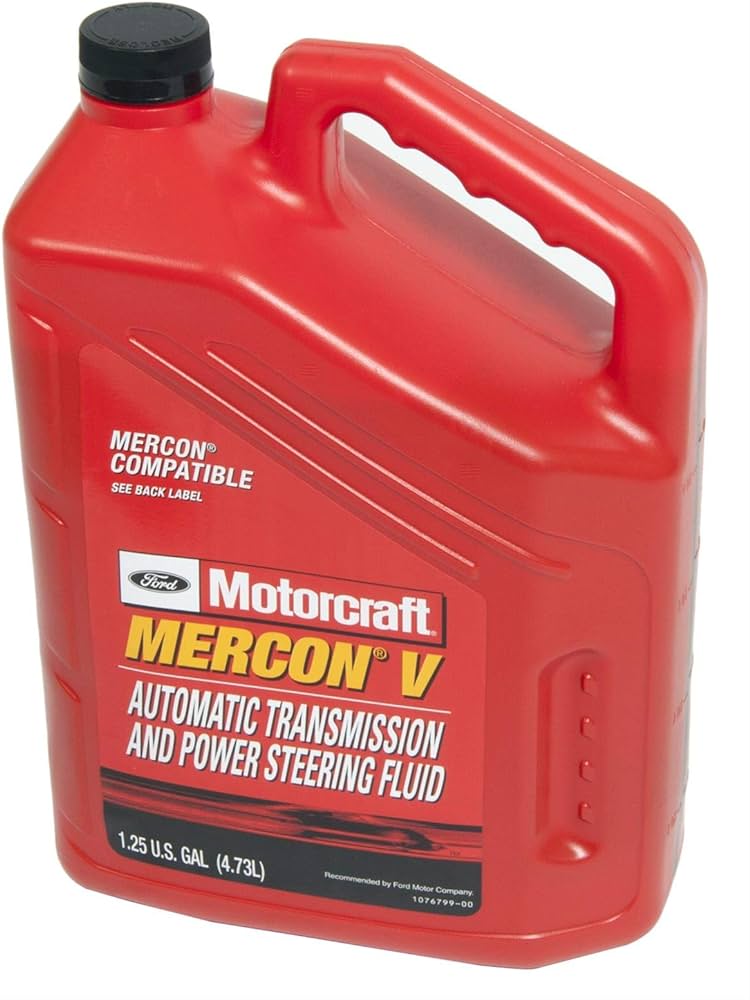
No, ATF should not be used as power steering fluid due to different viscosity requirements. Proper power steering fluid is necessary to ensure the system functions correctly and prevents damage. When it comes to maintaining your vehicle’s power steering system, using the correct fluid is crucial. Power steering fluid serves as a hydraulic fluid that…

How Much Hydraulic Fluid Does a Tractor Hold: Unveiling the Capacity

A tractor typically holds around 30 to 50 gallons of hydraulic fluid. A tractor’s hydraulic system is crucial for operating various components, such as the bucket or the backhoe attachment. One of the essential elements for ensuring the smooth functioning of this system is hydraulic fluid. This fluid transfers power, lubricates moving parts, and regulates…

Does Hydraulic Fluid Go Bad

Does Hydraulic Fluid Go Bad? Discover the Truth Here

Hydraulic fluid can go bad over time due to oxidation and contamination, affecting its performance. Hydraulic fluid is an essential component in hydraulic systems, providing lubrication and transferring power. Like any other fluid, hydraulic fluid can deteriorate over time due to various factors. One of the main reasons hydraulic fluid goes bad is oxidation, which…

Where are Champion Radiators Made

Where are Champion Radiators Made? Unveiling the Manufacturing Secrets!

Champion Radiators are made in the USA, specifically in California. Champion Radiators are highly regarded for their quality and performance. They are designed and manufactured in the USA, with their production facilities located in California. Known for their excellent cooling capabilities, Champion Radiators are trusted by car enthusiasts and professionals alike. Whether you own a…

Should I Change Transmission Fluid After 200K Miles

Should I Change Transmission Fluid After 200K Miles: Ultimate Guide

Changing transmission fluid after 200K miles is recommended for optimal performance and longevity of your vehicle’s transmission. However, it is important to consult your vehicle’s manufacturer guidelines for specific maintenance recommendations regarding transmission fluid changes. Regular maintenance plays a crucial role in the overall health of your transmission, and changing the fluid at appropriate intervals…